patulous Eustachian tube&Tinnitus

patulous Eustachian tube

This translation aims to provide a clear and easy-to-understand guide for managing the symptoms of patulous Eustachian tube.
The main symptoms of patulous Eustachian tube improve or disappear temporarily when lying down or bending forward. This is because lying down increases the blood flow around the Eustachian tube, causing it to be compressed and close more easily. The fact that the symptoms change with posture is very helpful in diagnosis. In contrast, with other conditions such as sudden deafness, the symptoms typically do not change with posture.

01

A feeling of ear fullness (aural fullness)

This symptom is perceived in various ways by different people. Many describe it as feeling like being underwater. Some people refer to this symptom as “tinnitus.”

02

Hearing your own voice echoing (medically known as autophony) and hearing your own breathing

The mechanism behind these symptoms is simple. The Eustachian tube, which should normally be closed, functions as a valve to prevent unwanted sounds from flowing back from the nose and throat. When it loosens, it allows these unwanted sounds to enter.

03

Other Symptoms

According to a survey of our patients, the following symptoms were reported

  • Ear fullness (feeling of clogged ears) … 88%
  • Autophony (hearing one’s own voice loudly) … 75%
  • Tinnitus … 74%
  • Hearing loss (difficulty hearing) … 59%
  • Loud breathing sounds … 46%
  • External sounds echoing … 37%
  • Feeling of eardrum movement…37パーセント
  • Tinnitus that changes with the heartbeat…36パーセント
  • Dizziness or vertigo…35パーセント

Our Treatment Policy

“When did your symptoms start?” This question is very important to us.

“When did you first notice the symptoms? Did you experience any changes in your life around that time?” This question is crucial for improving this condition. However, it is often not asked by doctors. Patulous Eustachian tube typically develops due to a combination of various stress factors. In other words, there is often a specific cause. Therefore, identifying the cause is a vital step towards recovery.

In our clinic, we take a team approach to thoroughly investigate the causes of symptoms in collaboration with our patients. Like detectives, we examine why symptoms appear at certain times and worsen in specific situations, uncovering the underlying factors. During the initial consultation, we meticulously review the patient’s medical history, treatment progress, symptom changes, living conditions, and developmental history to identify any links to stress.

However, the relationship between stress and symptoms is not always clear. Some patients are aware of the connection between their symptoms and stress, making it easier to understand the impact of stress. On the other hand, the connection may be unclear, or the patient may not be aware of it. Therefore, when considering the root cause, it is essential to take the time to examine the details thoroughly.

While stress often plays a role, patulous Eustachian tube is not solely caused by stress. Sudden weight loss, dieting, surgery, illnesses, pregnancy, and breastfeeding can also trigger symptoms. Genetic factors may also be involved. Recently, symptoms of patulous Eustachian tube have been reported as a long-term effect of COVID-19 infection.
This translation aims to clearly convey the original text’s meaning and importance.

Main Treatments at Our Clinic: Enhancing Disease Understanding and Resilience

Main Treatments at Our Clinic: Enhancing Disease Understanding and Resilience

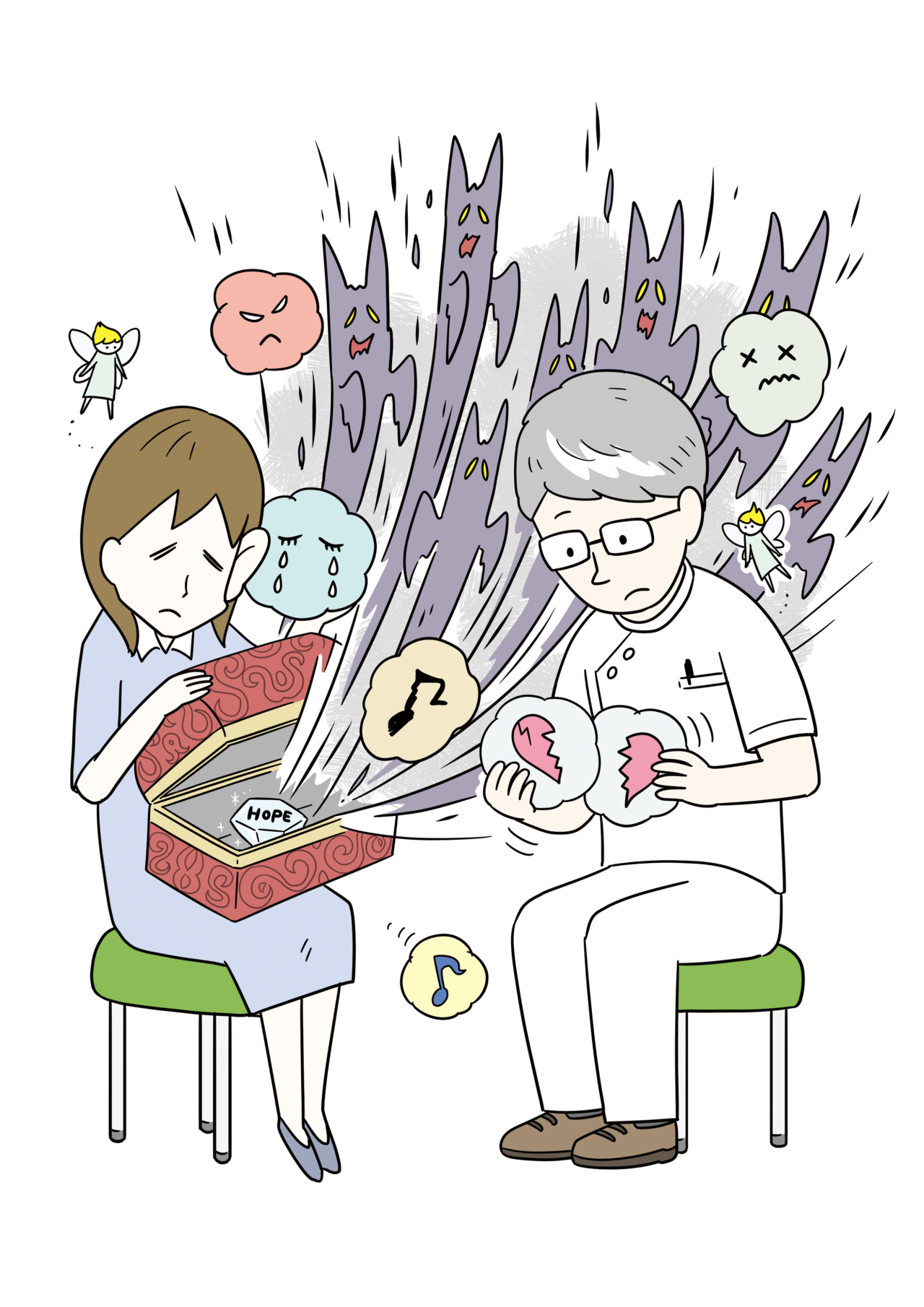
At our clinic, we aim not only to alleviate the symptoms of patulous Eustachian tube but also to achieve true healing. Today, the main approach to treating patulous Eustachian tube involves methods we’ve previously discussed. Many patients benefit significantly from symptom relief through Eustachian tube pin insertion surgery (covered by insurance). However, from the perspective of treating ENT-related stress disorders using a psychosomatic approach, we believe another viewpoint is also important. Many patients with patulous Eustachian tube suffer from significant stress and feel stuck in their lives.

To illustrate the true cause of symptoms, we can compare it to a “fire.” The Eustachian tube pin surgery could be likened to “turning off the fire alarm.” While it may relieve the loud blaring noise, the actual “fire” causing the problem has not been extinguished. At our clinic, we focus on the accumulation of various causes such as mental and physical imbalances, resilience (the endurance to overcome stress), inherent physical weaknesses, autonomic nervous system imbalances, lack of exercise, and poor nutrition, which contribute to the development of patulous Eustachian tube

Our goal is to extinguish the fire by addressing the immediate symptoms and working towards a mental and physical transformation. This way, even if patients return to stressful environments, they will not suffer from the same symptoms again. We walk this path together with our patients.

Mechanism of Patulous Eustachian Tube: The Dam Collapse Hypothesis

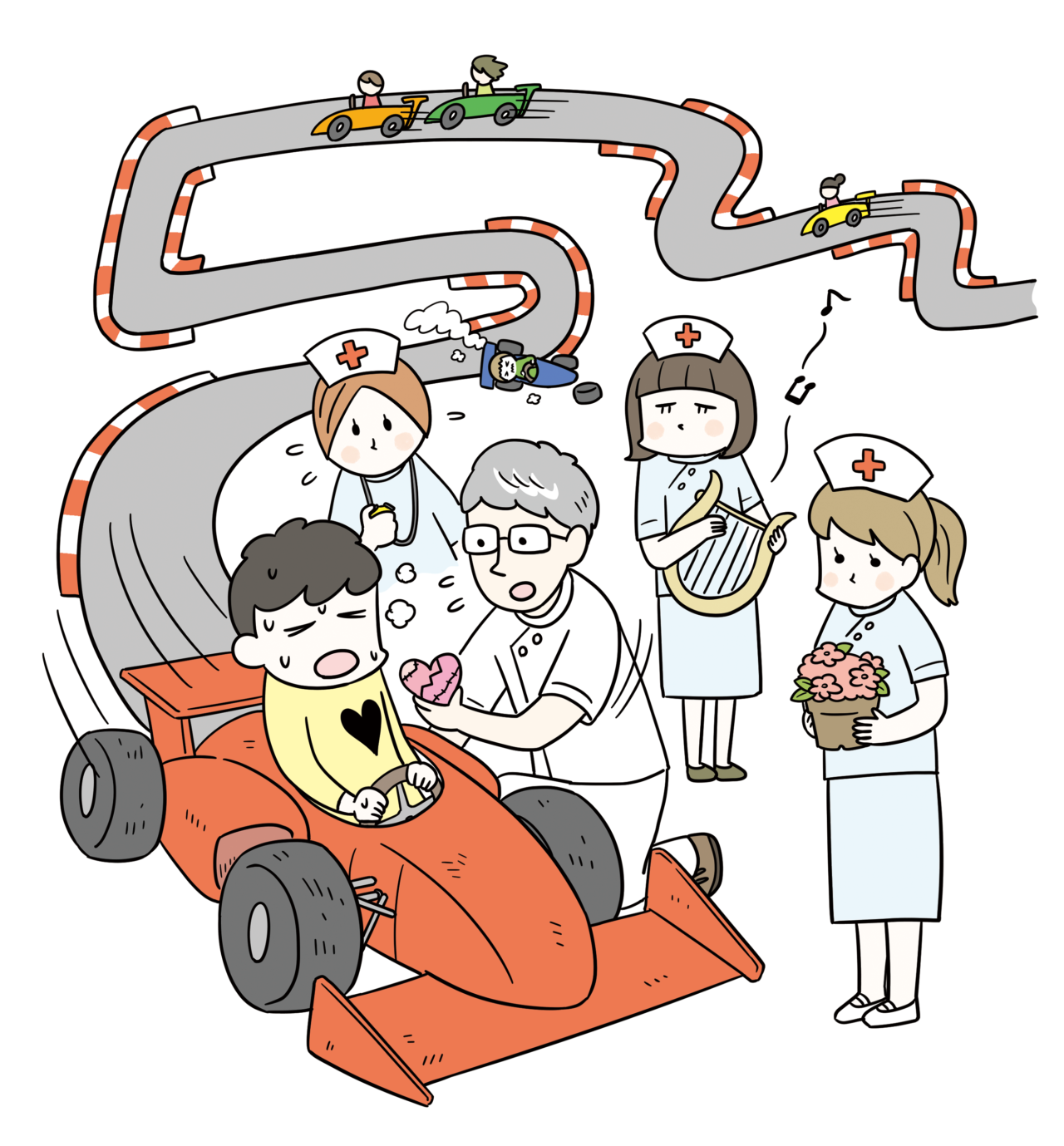
Many patients develop symptoms under excessive stress. Over time, these symptoms tend to appear and improve intermittently, similar to a dam breaking under pressure. For instance, during heavy rainfall, a dam’s water level rises sharply. The excessive pressure causes the dam to break, flooding the downstream area. A similar phenomenon can be observed in various human systems.

Take brain hemorrhages, for example. Excessive increases in overall blood pressure raise the pressure within cerebral blood vessels. When the pressure becomes too high, it can cause a rupture in weakened areas of the blood vessel walls, leading to a brain hemorrhage. Initially, symptoms such as headaches, stiff neck, and shoulder tension might occur. Nosebleeds may also happen as a safety mechanism to release excessive pressure and prevent a fatal brain hemorrhage. In hindsight, there are often multiple warning signs before a fatal condition like a brain hemorrhage occurs.

In human stress states, similar multi-stage safety mechanisms exist. Patulous Eustachian tube also operates within these mechanisms. The human life system is incredibly intricate. By explaining these mechanisms, I aim to help patients understand the inevitability of their conditions. Many illnesses are painful and challenging, but from the perspective of the life system, they are often necessary and optimal choices.

The best treatment for patulous Eustachian tube involves understanding these inevitabilities and considering the overall integrity of the life system.

Medication

For those who prefer medication, we prescribe herbal medicine based on the individual’s constitution. In mild cases, this alone may lead to improvement.


Herbal Medicine (We also consider abdominal examination findings when determining the appropriate herbal treatment)
This translation aims to clearly convey the original text’s meaning and complexity while making it understandable for English speakers

Main Examinations at Our Clinic

Standard Pure Tone Audiometry A test to evaluate hearing ability.
Eustachian Tube Function Test A test to examine the movement of the tube connecting the ear and nose (Eustachian tube)
Tympanometry A test to assess eardrum movement.
Autonomic Nervous Function Test Measures pulse from the finger for 2 minutes and 30 seconds. The analysis provides information on autonomic nervous activity, physical fatigue, blood flow quality, and vascular elasticity.
Psychological Tests:
  • SDS (Self-rating Depression Scale) to assess tendencies toward depression.
  • STAI (State-Trait Anxiety Inventory) to assess levels of anxiety.
  • Symptom Checklist to confirm the presence of specific symptoms.
  • Symptom Distress Scale to gauge the severity of the symptoms.
  • Sleep Habit Evaluation to assess the implementation of healthy sleep habits.
Other Tests:
  • o For tinnitus, a tinnitus test is conducted.
  • o If anemia is suspected, blood tests for serum iron and ferritin (stored iron) are performed
  • o Review of previous examination results. Most blood test results are only considered abnormal when high, but low levels of AST, ALT, γ-GTP, cholesterol, BUN, etc., might indicate protein or vitamin deficiencies.

General Treatments

01

Lifestyle Guidance

•Improvement and prevention of weight loss
•Symptoms often worsen after intense exercise, in cold weather, or in dry conditions

Caution: Sniffing the nose might temporarily improve symptoms, but it can lead to conditions requiring surgery, such as cholesteatomatous otitis media or adhesive otitis media. Therefore, refrain from sniffing your nose.

02

Nasal Drop Therapy

03

Herbal Medicine

04

Eustachian Tube Treatment (Not Performed at Hori Clinic)

05

Eustachian Tube Pin Insertion Surgery (Not Performed at Hori Clinic)

What is the Eustachian Tube?

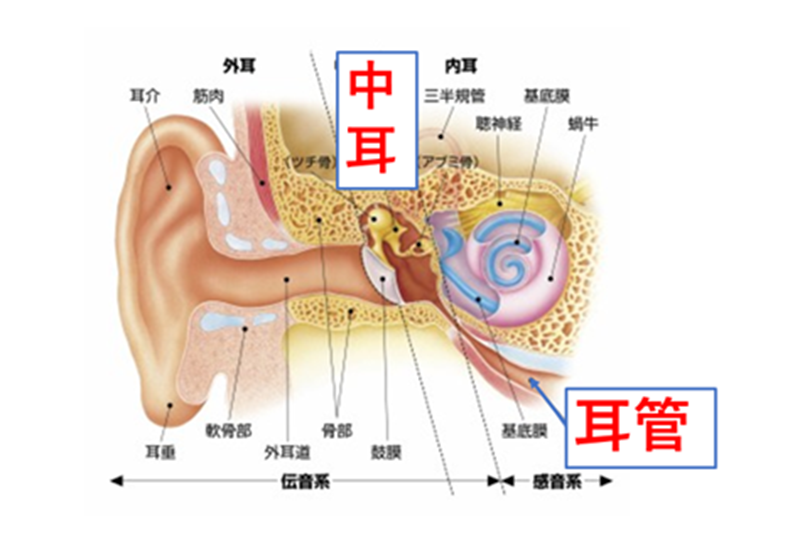
The Eustachian tube, as shown in the diagram, is a tubular organ that connects the back of the nose and the throat to the cavity behind the eardrum (the middle ear). In healthy individuals, the Eustachian tube remains tightly closed and occasionally opens during swallowing to keep the pressure in the middle ear (the space behind the eardrum, called the tympanic cavity) constant. When sound enters from the outside, it causes the eardrum to vibrate. These vibrations are transmitted through tiny bones called ossicles and then to the snail-shaped cochlea. Within the cochlea, the vibrations become fluid waves, which are sorted as sound and transmitted via nerves to the brain, where the sound is recognized

Causes of Patulous Eustachian Tube

In individuals with normal Eustachian tube function, the pressure within the middle ear (middle ear pressure) remains constant. This consistency allows proper regulation of sound transmission from the eardrum to the ossicles. When a loud sound is received, the eardrum, ossicles, and associated muscles act to limit transmission, preventing excessive vibrations from reaching the cochlea.

Conversely, for sounds that are too soft, the system amplifies the vibrations to ensure the sound is effectively transmitted to the cochlea. When the internal pressure of the middle ear is constant, this space seamlessly integrates with the body and goes unnoticed. However, when the Eustachian tube is open, it causes discomfort and a sense of awareness in the ear and related areas. Similarly, due to the relaxation of the Eustachian tube, individuals may experience the following symptoms:

counseling and Acupuncture

Counseling and Psychotherapy

Under the guidance of experienced counselors, individualized sessions allow for efficient learning. Current stress responses are often the inevitable result of maladaptive coping habits developed during one’s upbringing. From this perspective, illnesses are not random events. Reflecting on the journey to illness and discovering and nurturing a new self is a significant life experience.

Acupuncture Treatment

Acupuncture is often effective for those who suffer from severe neck and shoulder tension or ear pain.

Lifestyle to Alleviate Symptoms of Patulous Eustachian Tube

To alleviate the symptoms of patulous Eustachian tube, it is important to “reduce factors that worsen the condition and increase factors that improve it.” Here’s how you can do that

01

Meditation and Relaxation

Relaxation training (to move from a tense constitution to a more efficient mind and body), mindfulness meditation, autogenic training, and progressive relaxation techniques are all effective

02

Exercise

Moderate exercise during the day improves metabolism and prepares many neurotransmitters from muscles necessary for deep sleep. However, excessive exercise can worsen symptoms in patulous Eustachian tube patients. It is also known that excessive exercise can weaken the immune system

03

Mind-Body Relaxation

Exercises that gently relax muscles, such as stretching, yoga, and qigong, activate the parasympathetic nervous system

04

Breathing Techniques

Breathing techniques are effective for activating the autonomic nervous system and stabilizing the mind and body

05

Dietary Improvements

Eighty percent of patients are slender women, who may have latent digestive function decline. Iron-deficiency anemia is also common, necessitating attention to protein, B vitamins, and iron intake.

Reducing food additives, replacing refined foods (white sugar, refined salt) with alternatives like brown sugar and natural salt, improving cooking methods (reducing frying and sautéing), and using cooking techniques that avoid glycation are also important.

06

Nutritional Supplements

Personalized complementary therapies are important, including the measurement of ferritin in the blood to detect potential anemia (beyond just serum iron and hemoglobin) and addressing potential vitamin deficiencies.

07

Avoiding Excessive Habits

Excessive alcohol consumption and smoking promote arteriosclerosis and suffocate cells

08

Bathing

Finish bathing 1.5 to 2 hours before bedtime or take a bath in the morning

09

Sleep

Deep sleep is crucial, and attention to daytime lifestyle is essential. Adequate sleep can be achieved through daily habits

10

Television, Mobile Phones, and Computers

• Limit screen time to avoid overstimulation and excessive excitement of brain activity

◆推薦図書

  • 最高の休息法 CDブック 久賀谷亮著(ダイヤモンド社)
  • 部屋で自律神経を整える 小林弘幸(興陽館)
  • ヨーガ的生き方で すべてが自由になる! 成瀬雅春(BABジャパン)
  • 都市とめい想 日常こそが最高の瞑想空間 成瀬雅春(BABジャパン)
  • 呼吸法の極意 ゆっくり吐くこと 新装改訂版 成瀬雅春(BABジャパン)
  • マンガでやさしくわかるレジリエンス 久世浩司著(日本能率協会マネジメントセンター)

◆マインドフルネス参考サイト

Why Can’t ENT Specialists Cure Patulous Eustachian Tube?

Many modern doctors, including ENT specialists, lack interest or basic knowledge about the close connection between the mind and body. This perspective is often not emphasized even in many university hospital ENT departments. What about psychiatry or psychosomatic medicine? The focus of their treatment is currently on medication. However, medication alone does not restore the deeper mechanisms of the mind and body. While I do refer patients in severe depressive states to specialists, there are few doctors who value and foster the patient’s intrinsic ability to heal. There is a need for ENT specialists to improve their diagnostic abilities and deepen their understanding of the relationship between the mind and body.

Welcome to your tinnitus exploration page, where we will introduce tips for resolving your tinnitus. First, check with yourself.

About Tinnitus

About Tinnitus

Tinnitus = not a disease, tinnitus = one of the physiological body sensations.

There is a big misconception that having tinnitus means you are sick. First, we need to clear up this misconception. I have experienced a lot of tinnitus myself, and I still do. However, I do not consider it a disease.

Just as you might feel that your shoulders are stiff today or you have no appetite, tinnitus is merely one of the physiological sensations indicating your body’s current state.

Of course, just like how shoulder stiffness or decreased appetite can sometimes be early symptoms of some disease, tinnitus can also sometimes indicate such conditions. However, most tinnitus cases are not diseases. Nonetheless, self-diagnosis is prohibited. Accurate diagnosis through a hearing test to check for the presence and degree of hearing loss is necessary. In fact, among the patients who came to our clinic with tinnitus as their main complaint, many were found to have patulous eustachian tube, even if other clinics had said there were no abnormalities.

Q

Where do you feel the sound?

A

Where do you feel the sound?
・Clearly feels like it is coming from the ear
・Is it from the left ear or the right ear?
・Is it heard in both ears? Are the sounds in both ears different, or exactly the same? Are there common sounds and different sounds?
②2. Heard outside the ear: head noise (atamanari)
・Felt in a part of the head, especially the brain: buzzing, ringing, cicada-like sound
・Around the head: felt in the body down to the neck; does it change or get induced by body movement or neck movement?

Q

What kind of tinnitus is it?

A

① Continuous sound in the ear: buzzing, ringing
②Sensed in the ear as something other than continuous sound
・Rhythmic sound: pulsating like a heartbeat, could be physiological or pathological blood flow
・Clicking like a spasm
・Muscle spasms connected to the eardrum and ear bones: the muscles connected to the eardrum and the eustachian tube (the tubular organ connecting the middle ear, which is the space behind the eardrum, to the back of the nasal cavity)

Q

When did it start to worsen or become bothersome?

A

One person mentioned, “I started to notice it two months ago.” Upon checking, “I suddenly stopped the exercise I had been doing consistently around that time for no reason. That’s also when my snoring started to get worse.” In many cases, when tinnitus is suddenly noticed or worsens, there is some underlying cause. It requires exploration from various angles. In cases of stress or fatigue, people often push through while they are trying hard, but once they relax and feel relieved, they start to notice the tinnitus.

Q

Is it just a little bothersome, or is it very distressing?

A

Ear fullness (jihikan: a feeling of the ears being blocked, a sensation like being underwater, a roaring sound) The term “ear fullness” is a technical term, but in practice, people express it differently, so caution is needed. Some people describe it as ear fullness when they have tinnitus or hearing loss. In otolaryngology, when there is no hearing loss and no earwax blockage, there are mainly two conditions where people complain of ear fullness:
1. Eustachian tube dysfunction: The mucous membrane of the eustachian tube is continuous with the mucous membranes at the back of the nasal cavity and the pharynx. When the mucous membranes swell due to allergic rhinitis or pharyngitis caused by a cold, the mucous membrane of the eustachian tube also swells. As a result, the eustachian tube narrows, creating negative pressure in the middle ear, limiting the mobility of the eardrum, which results in a blocked feeling. In mild or temporary cases, swallowing can alleviate it (ear popping).
2. Patulous eustachian tube: When in a state of stress, exhaustion, or sleep disturbance, the activity of the muscles regulating the eustachian tube can decrease, causing the eustachian tube to remain open. This results in the pressure in the middle ear being the same as the pressure in the nasal cavity or the external environment. Normally, the eustachian tube should be closed to maintain a constant pressure in the middle ear. When this pressure is lost, it creates a feeling of discomfort in the ear, such as a blocked sensation or a feeling of being underwater.

Q

Are there any accompanying symptoms with the tinnitus? Or is it really tinnitus?

A

First, you need to identify if there is tinnitus. Then, determine how bothersome it is. These are the key points. Many people suddenly become aware of it one day, though it likely existed before they noticed it. As mentioned earlier, tinnitus itself is often a physiological sensation and not pathological. In such cases, you can either wait and see or, if you want to be sure, have a hearing test at an ENT clinic. If there are no abnormalities, that is the end of it. However, if the symptoms are severe, highly bothersome, or causing significant anxiety, they themselves become the target of treatment.

Specific Precautions

Q

What types of tinnitus require immediate medical attention?

A

①If you experience ringing in the ears along with a noticeable loss of hearing. If it recovers quickly, it is likely a temporary physiological response and not a concern. However, if the sound subsides and the hearing loss continues for more than a day, it is necessary to check for sudden hearing loss, such as sudden sensorineural hearing loss.
②If the symptoms are intense and severe. Many pulsatile tinnitus cases are physiological. However, in the more severe cases of patulous eustachian tube, individuals may be acutely aware of it. In rare instances, it can be related to cerebrovascular issues.
③If sudden hearing loss in one ear was treated but did not improve, worsened over time, or deteriorated again after treatment. In rare cases, an acoustic neuroma might be present. This tumor grows very slowly, so caution is necessary.

Q

What are the related conditions?

A

The following conditions often overlap, and tinnitus or ear fullness frequently co-occur. Ear disorders involve the entire related apparatus and can create imbalances in the brain’s sensory systems. Additionally, overall bodily imbalances manifest as various ear symptoms. In this sense, the ears function as an alarm system for bodily imbalances.
1.Gender-Related Conditions
A:Common in Women:
①1. As a symptom of menopause: In Japanese individuals, common symptoms include stiff shoulders, easy fatigue, headaches, hot flashes, back pain, and abnormal sweating. Tinnitus is closely related to these symptoms
②Hormonal imbalances specific to women: Some women experience tinnitus, dizziness, and headaches as menstrual symptoms. Young people taking birth control pills have increased rapidly. This resembles the “chicken or the egg” situation. Birth control is used to treat menstrual symptoms, but sometimes this treatment overlooks and potentially worsens the underlying imbalance of mind, body, and lifestyle.
③Iron deficiency anemia: This is often overlooked in general health check-ups. If experiencing fatigue or shortness of breath with minor exertion, check the blood ferritin level. Ferritin reflects stored iron in the body. If the level is below 50, iron supplements are necessary. Conversely, high levels may indicate inflammation or conditions like cancer.
④Autonomic nervous system disorder: Symptoms include headaches, dizziness, stiff shoulders, and insomnia. It involves an imbalance between the sympathetic (arousal) and parasympathetic (relaxation) nervous systems. Prolonged stress can lead to a state where the sympathetic nervous system is dominant, contributing to the cycle of tinnitus
⑤Sensitivity to cold: People with unstable autonomic balance are often prone to stress and poor peripheral blood flow, feeling cold, having shallow sleep, and low energy.
⑥6. Weather-related symptoms: Changes in atmospheric pressure and weather can cause tinnitus or ear fullness. The body has homeostasis, like maintaining body temperature despite external temperature changes. Similarly, healthy bodies maintain internal pressure and humidity despite weather changes. When vitality is low or imbalanced, these external changes can affect the body, leading to weather-related symptoms.
B.Common in Men
①Loss of purpose: People often seek a sense of purpose. After retirement, those who lived for their jobs may feel lost. Not paying attention to their emotions previously, they can become quite distressed. In some cases, it might require psychiatric help for depression, but often, proper approaches can help overcome this without relying on medication
②Lack of exercise: Increased remote work due to COVID-19 has led to a lack of exercise. This can result in shallow sleep, slower metabolism, and various sensory issues, including worsened tinnitus. Severe snoring might indicate sleep apnea
睡眠時無呼吸症のページ
③Energy imbalance: Losing a sense of purpose after retirement can lead to unspent energy causing anxiety and fear, pushing one into a destructive cycle. COVID-19 has also isolated many elderly, exacerbating this issue.
④Temporary tinnitus after eating: Sudden tinnitus and hearing loss that quickly subsides often relate to food intake. The onset can vary from minutes to half a day after eating. Sensitive individuals might identify a specific food trigger, like fried foods or additives.
2.Age-related hearing loss and tinnitus
Hearing loss progresses with age, particularly in high-frequency sounds. As the inner ear’s function declines, more people become aware of tinnitus. The brain’s auditory center becomes confused with reduced sound input, and anxiety or fear of hearing loss can exacerbate tinnitus. Hearing aids can often help by increasing sound input to the brain, reducing tinnitus discomfort
3.Sleep disorders:
Many with tinnitus also have sleep disorders. The saying “chicken or the egg” applies. Many claim tinnitus prevents sleep, but often, the underlying cause is a state of exhaustion leading to heightened awareness of pre-existing tinnitus. Severe snoring might indicate sleep apnea
睡眠時無呼吸症のページ


Main Treatments Offered at Our Clinic

Tinnitus can arise from various causes, making an accurate diagnosis crucial. Based on this, we provide appropriate treatments

01

Enhancing Understanding of the Condition through Consultation

From the initial consultation to follow-up visits, we gradually explore and enhance understanding of the condition. For those who live far away, online consultations are also available. The initial goal is to help patients understand the progression of their condition, leading to acceptance and comprehension. Eventually, this understanding becomes intuitive (a stage where it ‘clicks’). At this point, symptoms may improve or disappear. The time it takes to recover varies depending on the course of the condition and the patient’s approach. During the initial consultation, we conduct a brief counseling session. For those interested, we also offer mindfulness meditation sessions that can be continued at home.

02

Medication

If patients wish to take medication, we prescribe Kampo (traditional Japanese herbal medicine) tailored to their constitution. In mild cases, this alone may lead to improvement. Kampo medicine is prescribed considering the patient’s constitution, and we may also reference abdominal findings (fukushin). Additionally, for those who prefer it, we prescribe medications such as Adehos Kowa granules (to improve blood flow and metabolism) and Methycobal (a vitamin supplement)

お知らせ

Counseling and Acupuncture

Counseling and Psychotherapy (self-pay)

Under the guidance of experienced counselors, individualized instruction helps patients learn effectively. The current stress response is often the inevitable result of maladaptive stress-coping habits acquired during one’s developmental process. From this perspective, illness is not a random occurrence. Reflecting on the process leading to illness and discovering and nurturing a new self is an important life experience.

Acupuncture Treatment (self-pay)

This treatment is effective for those with severe neck and shoulder tension, ear pain, or those who simply want to alleviate their symptoms. It is particularly beneficial for elderly patients.

Lifestyle Improvements

◆Lifestyle Improvements

Relaxation training (to move away from a tension-prone constitution to a more efficient body and mind), mindfulness meditation, autogenic training, and progressive relaxation methods are effective.

◆Exercise

Moderate exercise habits during the day improve metabolism and prepare many neurotransmitters necessary for deep sleep from the muscles. However, in cases of patulous eustachian tube, excessive exercise can worsen symptoms. It is known that excessive exercise can also weaken the immune system.

◆Physical and Mental Relaxation

Exercises that gently relax muscles, such as stretching, yoga, and qigong, activate the parasympathetic nervous system.

◆Breathing Techniques

Breathing techniques activate the autonomic nervous system and help stabilize the body and mind. An example is alternate nostril breathing in yoga.

◆Dietary Improvements

Enhance digestive functions and improve dietary content. Ensure the intake of quality fats (such as flaxseed oil rich in omega-3) and sufficient protein. Many people may have underlying digestive weaknesses or iron-deficiency anemia. Adequate intake of protein, B vitamins, and iron is essential.

Additionally, reducing food additives, switching from refined foods (white sugar, refined salt) to alternatives like brown sugar and natural salt, improving cooking methods (reducing frying and sautéing), and increasing non-glycating cooking methods are important.

◆Nutritional Supplements

Individualized complementary therapies are important, including checking for latent anemia (measuring serum ferritin is necessary, not just serum iron and hemoglobin) and potential vitamin deficiencies.

◆Reducing Habits

Excessive alcohol consumption and smoking promote arteriosclerosis and suffocate cells.

◆Bathing

Finish bathing 1.5 to 2 hours before bedtime or take a morning bath.

◆Sleep

Kamishoyosan, effective for this condition (especially for thin, cold-sensitive women), is originally a herbal medicine effective for menopausal sleep disorders. Achieving deep sleep requires careful consideration of daytime lifestyle habits. Adequate sleep can be achieved through proper daytime habits. Modern people’s biggest problem is overburdening their brain nerves. Daily exercise habits, appropriate stress relief, and relaxation are crucial.

◆TV, Mobile Phones, and Computers

Limit viewing time to avoid over-stimulation and excitement of brain nerve activity. The 1-2 hours before bed are particularly important. Thin patients tend to have daily nerve exhaustion, so reduce viewing time as much as possible.

【推薦図書】

  • 最高の休息法 CDブック 久賀谷亮著(ダイヤモンド社)
  • 部屋で自律神経を整える 小林弘幸(興陽館)
  • ヨーガ的生き方で すべてが自由になる! 成瀬雅春(BABジャパン)
  • 都市とめい想 日常こそが最高の瞑想空間 成瀬雅春(BABジャパン)
  • マンガでやさしくわかるレジリエンス 久世浩司著(日本能率協会マネジメントセンター)

【マインドフルネス参考サイト】

  • YOUTUBE マインドフルネス瞑想 ダイヤモンド社
  • YOUTUBE 慈悲のめい想
  • 川野泰周 オフィシャルホームページ

ページトップへ戻る